
Espadas · Arcanos Menores
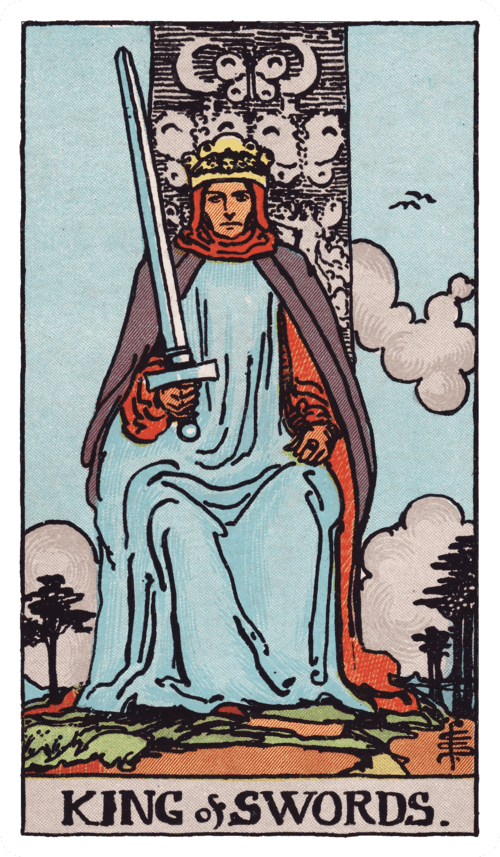
Rey de Espadas
Dominio intelectual, autoridad ética, juicio claro e imparcial
También conocida como
Thoth: Knight of Swords — Thoth Knight of Swords = RWS King of Swords. In Thoth, Knight is always the senior figure. Same principled intellectual mastery.
Profundiza con Rey de Espadas
Los significados de abajo son un punto de partida. Trae lo que de verdad tienes en mente y reflexiona aquí — lo que vuelve es una pregunta para sentarte con ella, nunca un pronóstico.
Reflection Room
Rey de Espadas · upright
Write and save if you'd rather sit with it alone. Nothing is sent.
Rey de Espadas: significado al derecho
El Rey de Espadas representa la mente en su desarrollo más pleno: no solo afilada, sino sabia; no solo clara, sino justa. Sostiene su espada erguida como un estándar de verdad, no como una amenaza. Esta carta te invita a traer esa misma calidad de autoridad principista y clara a lo que sea que estés navegando: pensar cuidadosamente, hablar con honestidad y liderar (incluso solo a ti mismo) con integridad. Cuando aparece el Rey, la situación pide pensamiento claro y arraigo ético, no solo ingenio.
¿En qué aspecto de tu vida ahora se te pide liderar con tu pensamiento más claro y principista, y qué significa realmente la integridad intelectual en esa situación?
Rey de Espadas: significado invertido
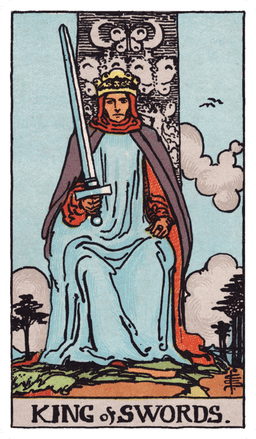
El Rey de Espadas invertido es la sombra de la autoridad intelectual: poder usado para dominar en lugar de servir, argumentos ingeniosos desplegados de mala fe, o juicio que se disfraza de imparcialidad mientras sirve a una conclusión predeterminada. También puede señalar hacia adentro: el juez interior que sentencia sin apelación, la voz crítica que usa el lenguaje de la razón para entregar veredictos de vergüenza.
¿Hay un lugar en tu vida donde estés usando tu inteligencia o autoridad para ganar en lugar de para entender, o donde tu crítico interior está pasando juicios que realmente no se ha ganado?
Rey de Espadas en el amor y las relaciones
Al derecho
Esta carta pregunta si estás trayendo honestidad y claridad a la relación, o dejando que las cosas permanezcan turbias por miedo. El Rey de Espadas derecho sugiere un tipo de amor que incluye conversaciones difíciles, escucha justa y la disposición de decir lo que realmente piensas en lugar de lo que mantiene la paz.
Invertida
Podrías estar usando la lógica como un escudo: ganando argumentos en lugar de entender a tu pareja, o desplegando palabras afiladas para mantener el control. El Rey invertido también puede aparecer como auto-juicio severo sobre la relación misma, una voz crítica que pronuncia veredictos antes de que realmente hayas mirado qué está sucediendo.
Rey de Espadas en el trabajo y la carrera
Al derecho
Esta carta pregunta qué significa liderar tu trabajo con integridad en lugar de solo competencia. Se te está pidiendo que pienses claramente sobre tus decisiones, comuniques claramente lo que sabes y lo que no sabes, y tomes decisiones basadas en principio incluso cuando un atajo está disponible.
Invertida
Podrías estar usando tu experiencia para ganar en lugar de para resolver, o desplegando tu credibilidad para salirte con la tuya sin escucha genuina. El Rey invertido también puede señalar un crítico interior severo que juzga tu productividad laboral o decisiones profesionales sin darte una audiencia justa.
Rey de Espadas: ¿sí o no?
Se inclina hacia sí, y la pregunta mejor debajo es si realmente estás dispuesto a ser honesto sobre lo que ves, incluso si la verdad complica las cosas.
Las lecturas de sí o no son el único lugar donde el tarot juega a ser adivino. Respondemos la pregunta y luego te entregamos la mejor pregunta que hay debajo — esa es la parte que vale tu tiempo.
Preguntas para cuando saques Rey de Espadas
- ¿Dónde en esta situación estás evitando decir algo verdadero porque se siente arriesgado?
- ¿Qué significaría liderar aquí sin necesidad de ser la persona más inteligente de la sala?
- ¿Qué juicio ya has hecho que no has realmente probado contra los hechos?
Cartas cercanas a Rey de Espadas
Su vecina en Espadas
Los otros Rey
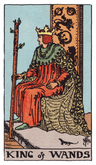
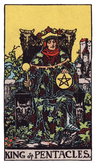
Comparte sus temas
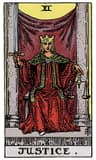
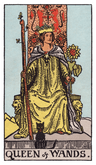
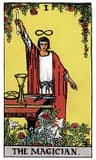
Simbolismo de Rey de Espadas
Tradiciones interpretativas
Distintas escuelas del tarot miran Rey de Espadas con distintos lentes. Son perspectivas, no contradicciones.
Rider-Waite-Smith
Waite describió al Rey de Espadas como la representación de la facultad activa del juicio: la capacidad de pensar con precisión y justicia a la vez. Se lo asocia con roles profesionales que requieren autoridad intelectual emparejada con responsabilidad ética: derecho, medicina, academia. Su poder es el poder de la mente examinada.
Thoth
En el sistema de Crowley el Caballero de Espadas (equivalente al Rey en RWS) lleva una intensidad enorme y se considera una de las figuras más formidables del mazo. La tradición Thoth enfatiza la naturaleza de doble filo del poder de esta carta: las mismas cualidades que hacen a esta figura capaz de gran liderazgo también hacen que la autoridad sin control sea peligrosa.
Intuición Moderna
Los lectores contemporáneos a menudo trabajan con el Rey de Espadas como el arquetipo del pensador ético: la persona que no solo tiene opiniones sino posiciones razonadas, que no solo habla sino que considera el impacto de sus palabras, que usa sus dones intelectuales en servicio genuino de lo que es verdadero y justo. Plantea la pregunta de qué significaría traer ese estándar a tu propia vida interior.
Palabras clave y temas de Rey de Espadas
La carta Rey de Espadas está asociada con los siguientes temas y palabras clave, al derecho y en posición invertida: dominio intelectual, autoridad ética, juicio imparcial, pensamiento principista, liderazgo honesto, tiranía intelectual, manipulación, juicio severo, razonamiento de mala fe, el crítico interior como juez. Su correspondencia elemental es Aire. Astrológicamente se vincula con Acuario.
Da igual si sacaste Rey de Espadas en una tirada diaria, semanal o del año por delante: su invitación de fondo es la misma, mirar con honestidad qué refleja esta carta en tu propia vida. Tarot Digest usa Rey de Espadas — y las 78 cartas — como espejos para la autoindagación, no para la predicción.
Barajas y libros recomendados
Tanto si estás empezando con el tarot como si llevas años de práctica, estas son las barajas y los libros que más valen tu tiempo.
- 🃏
The Original Rider Waite Smith Tarot — A.E. Waite & Pamela Coleman Smith
The deck that defined modern tarot. First published in 1909, the RWS introduced illustrated pip cards for all 78 positions — a breakthrough that made tarot accessible to everyone. Every major deck since is either an homage or a reaction to it.
- 📖
Seventy-Eight Degrees of Wisdom — Rachel Pollack
The definitive companion to tarot, first published in 1980 and still the best single-volume guide. Pollack reads the cards as a living psychological system — the Major Arcana as a map of consciousness, the Minor as the terrain of daily life.
- 📖
The Creative Tarot — Jessa Crispin
A guide to using tarot as a tool for creative practice rather than divination — written for writers, artists, and makers. Crispin brings a sharp literary sensibility and treats the cards as a language for thinking about creative process.
- 🃏
Modern Witch Tarot Deck — Lisa Sterle
The RWS structure reimagined with diverse, contemporary figures in modern settings. Every symbol from the original is preserved (the Fool still stands at the cliff edge, the High Priestess still flanked by pillars), but the world looks like ours.
Los enlaces de arriba pueden generar una pequeña comisión sin costo para ti — código de afiliado tarotdigest-20. Divulgación