
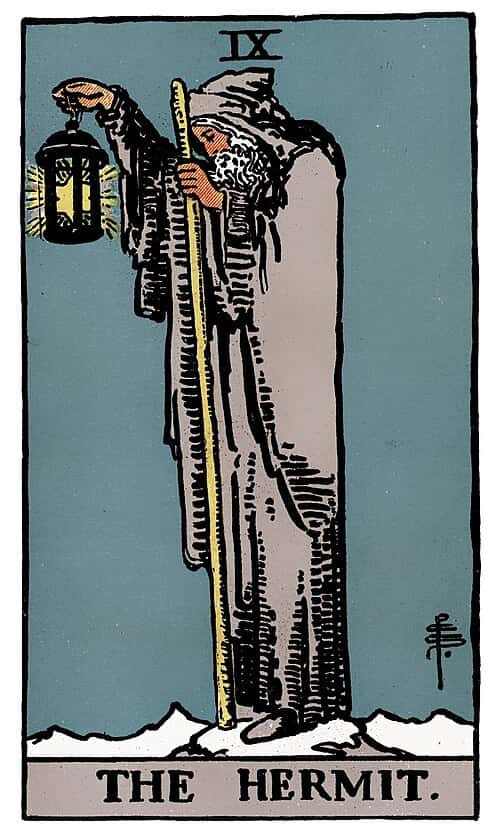
IX · Arcanos Mayores
El Ermitaño
Soledad, guía interior, autorreflexión, sabiduría a través de la quietud
Profundiza con El Ermitaño
Los significados de abajo son un punto de partida. Trae lo que de verdad tienes en mente y reflexiona aquí — lo que vuelve es una pregunta para sentarte con ella, nunca un pronóstico.
Reflection Room
El Ermitaño · upright
Write and save if you'd rather sit with it alone. Nothing is sent.
El Ermitaño: significado al derecho
El Ermitaño te invita a una clase de soledad que es elegida en lugar de impuesta, un retiro deliberado del movimiento constante y del flujo de información del mundo. Esto no es soledad de la falta de compañía. Es el espacio claro que hace posible escuchar tus propios pensamientos, notar qué te importa realmente sin que las prioridades de otros lo ahoguen. En esta quietud, una clase diferente de saber se vuelve disponible: no el conocimiento que encuentras en libros o en los consejos de otros, sino la sabiduría que viene de dirigir tu atención hacia adentro y preguntarte qué es lo que realmente sabes, en qué realmente confías, qué realmente necesitas.
Esta carta como espejo: ¿qué claridad está disponible para ti ahora mismo que solo puedes acceder en la quietud, y qué es lo que evitas saber al mantenerte ocupado?
El Ermitaño: significado invertido
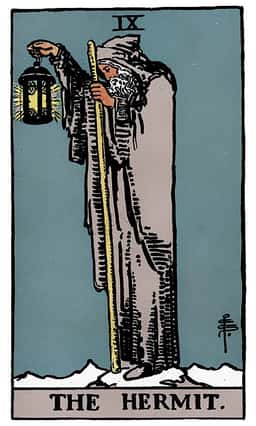
El Ermitaño invertido puede señalar soledad que se ha convertido en aislamiento, retiro que ya no nutre sino que es una forma de evitar el compromiso necesario con el mundo u otras personas. Puede aparecer cuando has usado la quietud como escondite en lugar de como recurso, o cuando la luz interior se ha atenuado y has perdido el contacto con tu propio sentido de dirección. También puede sugerir lo opuesto: la incomodidad de verte forzado a la soledad cuando ansías conexión, o la sensación de estar desconectado de la guía interior en la que normalmente confías.
Esta carta como espejo: ¿estás en soledad porque algo verdadero te está llamando hacia adentro, o estás usando la quietud para evitar algo que pide tu compromiso?
El Ermitaño en el amor y las relaciones
Al derecho
Esta carta te pregunta si estás usando el tiempo solo para entender qué es lo que realmente quieres de una relación, o si has dejado que la soledad se convierte en una forma de evitar la vulnerabilidad que requiere la cercanía. El Ermitaño derecho sugiere que la claridad que ganas en la quietud puede hacerte una pareja más honesta y enraizada.
Invertida
Cuando el Ermitaño está invertido en amor, observa si te estás retirando porque necesitas espacio para pensar, o porque tienes miedo de ser conocido. También puede señalar lo opuesto: sentirse aislado dentro de una relación, o darte cuenta de que el silencio o la distancia de alguien está siendo presentado como consideración cuando en realidad es evitación.
El Ermitaño en el trabajo y la carrera
Al derecho
Esta carta te invita a retroceder del ruido de tu lugar de trabajo lo suficiente para escuchar qué es lo que realmente quieres de tu trabajo: no qué se ve bien, no qué otros esperan, sino qué te importa. La claridad que viene de la soledad deliberada a menudo revela si tu camino actual es genuinamente tuyo.
Invertida
El Ermitaño invertido en el trabajo puede señalar que te has retractado de la colaboración o la retroalimentación cuando en realidad la necesitas, o que el aislamiento te ha hecho perder de vista tu dirección. También puede aparecer cuando te ves forzado al trabajo en solitario cuando prosperarías con conexión, o cuando has dejado de confiar en tu propio juicio sobre qué es lo correcto para tu carrera.
El Ermitaño: ¿sí o no?
Se inclina hacia sí, y la pregunta más importante debajo es: ¿tengo la claridad que necesito para decir sí, o estoy diciendo sí (o no) mientras evito algo que necesito saber sobre mí mismo?
Las lecturas de sí o no son el único lugar donde el tarot juega a ser adivino. Respondemos la pregunta y luego te entregamos la mejor pregunta que hay debajo — esa es la parte que vale tu tiempo.
Preguntas para cuando saques El Ermitaño
- ¿Qué sabrías sobre ti mismo o tu situación si dejaras de moverte lo suficiente para escucharlo?
- ¿Tu soledad ahora es un recurso que estás eligiendo, o un muro que estás construyendo?
- ¿Qué estás protegiendo al permanecer callado, y contra qué podrías estar protegiéndote?
Guías que hablan de El Ermitaño
- Diario de tarot para escépticos — Podés pensar que todo es sin sentido y aún sacar algo. Acá está el mecanismo, dicho claramente.
- Una práctica diaria de tarot — Una carta al día, construida para sobrevivir las semanas que no te apetece. La versión mínima que aún funciona.
- Una revisión mensual de tarot — Una vez al mes, mira atrás con honestidad: qué sacaste, qué pasó, qué te dirías. Una estructura que sostiene.
Cartas cercanas a El Ermitaño
A su lado en el viaje del Loco
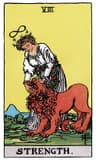
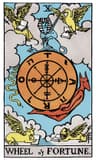
Comparte su número: los Nueve
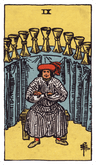
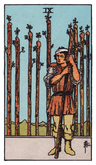
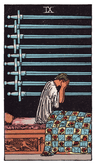
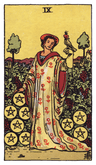
Comparte sus temas
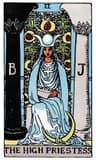
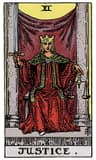
Simbolismo de El Ermitaño
Tradiciones interpretativas
Distintas escuelas del tarot miran El Ermitaño con distintos lentes. Son perspectivas, no contradicciones.
Rider-Waite-Smith
El Ermitaño de Waite lleva una linterna en una mano y un bastón en la otra: el bastón sugiere enraizamiento y viaje continuado, la linterna sugiere luz generada desde adentro. Esto no es abandono del mundo sino navegación consciente de él, informada por el saber interior. El Ermitaño no vive en la cueva; camina por la montaña.
Thoth
El Ermitaño de Crowley está asociado con Mercurio y claridad intelectual. La figura aquí enfatiza el principio hermético en sí: como es arriba, es abajo, la idea de que al ir hacia adentro y contemplar la verdadera naturaleza de las cosas, entendemos los patrones cósmicos. La soledad se convierte en la práctica de la indagación filosófica.
Modern Intuitive
Los lectores contemporáneos a menudo enmarcan al Ermitaño como retiro necesario de una cultura de conexión constante. En un mundo que valoriza la disponibilidad perpetua y la validación externa, esta carta se convierte en permiso para desaparecer por un tiempo, para cultivar lo que Joanna Macy llama tiempo profundo: la oportunidad de conocerte a ti mismo a un ritmo que tu cultura de otro modo no permite.
Paralelo con Campbell
El Camino de las Pruebas: la necesidad del retiro y la guía interior
En tu vida
Esta carta aparece cuando el ruido del mundo exterior se ha vuelto demasiado fuerte, y algo en ti te está llamando hacia la quietud. No promete respuestas, solo claridad. La linterna que lleva el Ermitaño no muestra el camino completo, solo el siguiente paso. Te está invitando a confiar en que esto es suficiente. ¿Qué se haría visible si dejaras de moverte lo suficiente como para escuchar?
Palabras clave y temas de El Ermitaño
La carta El Ermitaño está asociada con los siguientes temas y palabras clave, al derecho y en posición invertida: soledad, guía interior, introspección, sabiduría, el efecto de la linterna: ver solo el siguiente paso, aislamiento, evitación, dirección perdida, desconexión de lo que sabes en tu interior, soledad de la falta de compañía. Su correspondencia elemental es Tierra. Astrológicamente se vincula con Virgo. Su regente planetario es Mercurio.
Da igual si sacaste El Ermitaño en una tirada diaria, semanal o del año por delante: su invitación de fondo es la misma, mirar con honestidad qué refleja esta carta en tu propia vida. Tarot Digest usa El Ermitaño — y las 78 cartas — como espejos para la autoindagación, no para la predicción.
Barajas y libros recomendados
Tanto si estás empezando con el tarot como si llevas años de práctica, estas son las barajas y los libros que más valen tu tiempo.
- 🃏
The Original Rider Waite Smith Tarot — A.E. Waite & Pamela Coleman Smith
The deck that defined modern tarot. First published in 1909, the RWS introduced illustrated pip cards for all 78 positions — a breakthrough that made tarot accessible to everyone. Every major deck since is either an homage or a reaction to it.
- 📖
Seventy-Eight Degrees of Wisdom — Rachel Pollack
The definitive companion to tarot, first published in 1980 and still the best single-volume guide. Pollack reads the cards as a living psychological system — the Major Arcana as a map of consciousness, the Minor as the terrain of daily life.
- 📖
The Creative Tarot — Jessa Crispin
A guide to using tarot as a tool for creative practice rather than divination — written for writers, artists, and makers. Crispin brings a sharp literary sensibility and treats the cards as a language for thinking about creative process.
- 🃏
Modern Witch Tarot Deck — Lisa Sterle
The RWS structure reimagined with diverse, contemporary figures in modern settings. Every symbol from the original is preserved (the Fool still stands at the cliff edge, the High Priestess still flanked by pillars), but the world looks like ours.
Los enlaces de arriba pueden generar una pequeña comisión sin costo para ti — código de afiliado tarotdigest-20. Divulgación