
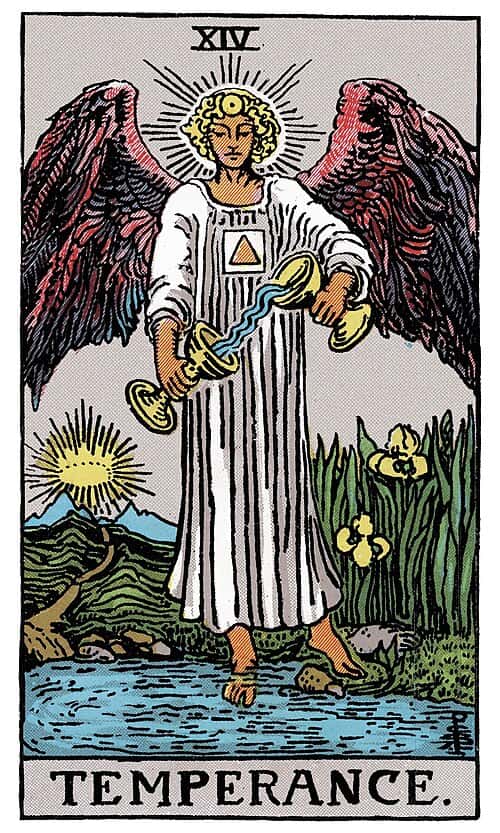
XIV · Arcanos Mayores
Templanza
Equilibrio, integración, armonía, obra alquímica, encontrar el ritmo
Profundiza con Templanza
Los significados de abajo son un punto de partida. Trae lo que de verdad tienes en mente y reflexiona aquí — lo que vuelve es una pregunta para sentarte con ella, nunca un pronóstico.
Reflection Room
Templanza · upright
Write and save if you'd rather sit with it alone. Nothing is sent.
Templanza: significado al derecho
Templanza te invita al trabajo paciente de la integración. Después de la dificultad, después de la pérdida, después de la disrupción que transforma, esta carta aparece para sugerir que la tarea ahora no es avanzar, sino tejer juntos lo que has aprendido. Esta es la carta de encontrar la proporción correcta: no demasiada soledad ni demasiada conexión, no demasiado sacrificio ni demasiada indulgencia, sino el ritmo que hace tu vida sostenible y coherente. Como el ángel vertiendo líquido entre dos copas, Templanza te pide encontrar el estado de flujo donde los opuestos se alimentan mutuamente en lugar de batallar. Esto no es fácil: requiere ajuste continuo, paciencia contigo mismo, la disposición de seguir corrigiendo el curso mientras aprendes qué significa el equilibrio para ti. Pero la imagen sugiere que es posible. El líquido no se derrama.
Esta carta como un espejo: ¿dónde en tu vida estás tratando de elegir entre dos cosas que en realidad podrían necesitarse mutuamente, y qué se vería como integración, no compromiso, sino síntesis genuina?
Templanza: significado invertido
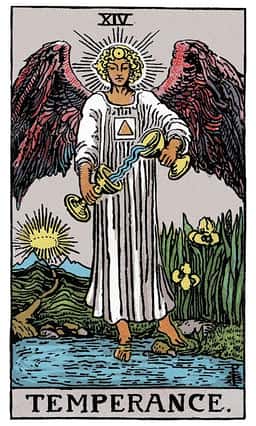
Templanza invertida a menudo señala situaciones donde el equilibrio se ha perdido: estás dedicando demasiado tiempo a una cosa y descuidando otra, o intentas ser todo para todos y te estás quemando. Puede sugerir que el trabajo de integración aún no ha ocurrido, que aún estás en conflicto con partes de ti mismo, que las contradicciones en tu vida no han sido tejidas juntas. También puede señalar lo opuesto: un falso equilibrio que requiere que abandones tus necesidades auténticas, un compromiso que te deja resentido. La inversión puede significar que el camino ya no es claro, el ritmo está fuera, o has olvidado cómo ajustar el curso mientras avanzas.
Esta carta como un espejo: ¿dónde se ha desequilibrado tu vida, y qué se necesitaría para encontrar el ritmo sostenible de nuevo?
Templanza en el amor y las relaciones
Al derecho
Templanza te pide que noten dónde estás sosteniendo dos necesidades o deseos en tensión: quizá cercanía e independencia, espontaneidad y estabilidad, tus propios sueños y los de tu pareja. La carta sugiere que estos no son contradicciones que resolver eligiendo una. ¿Qué se vería como dejar de negociar entre ellos y en su lugar encontrar el ritmo donde ambos realmente se fortalecen mutuamente?
Invertida
Podrías estar corriendo demasiado en una dirección: sobre-invirtiendo, sobre-acomodándote, o a la inversa, retirándote y llamándolo límites. O estás atrapado en un falso equilibrio donde te has suavizado para encajar, dejando resentimiento debajo. La pregunta no es balancearse al extremo opuesto, sino preguntarte si el equilibrio en el que te has asentado aún te conviene.
Templanza en el trabajo y la carrera
Al derecho
Esta carta señala el trabajo de encontrar tu ritmo sostenible: no el sprint que te quema, no la deriva que te deja insatisfecho, sino el tempo donde el esfuerzo y la recuperación se alimentan mutuamente. Podrías estar integrando habilidades que has aprendido, encontrando cómo diferentes partes de tu rol pertenecen juntas, o ajustando cuánto das al trabajo versus el resto de tu vida. El ajuste es continuo, no un problema para resolver una vez.
Invertida
Algo en tu ritmo de trabajo está fuera: estás sobreextendido en un área mientras descuidas otra, o has comprometido tanto tus necesidades reales que funcionas con lo mínimo. Esto también puede mostrarse como inconsistencia: no encuentras el ritmo o el patrón que funciona. La inversión sugiere que el costo del desequilibrio actual se está haciendo visible, que es el primer paso para recalibrar.
Templanza: ¿sí o no?
Se inclina hacia sí, y la pregunta mejor debajo es: ¿me mueve esta elección hacia la integración, o requiere que mantenga dos partes de mi vida separadas y en conflicto?
Las lecturas de sí o no son el único lugar donde el tarot juega a ser adivino. Respondemos la pregunta y luego te entregamos la mejor pregunta que hay debajo — esa es la parte que vale tu tiempo.
Preguntas para cuando saques Templanza
- ¿Qué dos cosas en esta situación has estado tratando como una u otra cuando en realidad podrían necesitarse mutuamente?
- ¿Dónde en tu vida ahora el ritmo se siente insostenible, y qué pequeño ajuste lo haría coherente de nuevo?
- ¿Qué se vería como integración aquí, no como compromiso, sino como una forma de sostener ambas cosas para que se fortalezcan en lugar de drenar una a la otra?
Guías que hablan de Templanza
Cartas cercanas a Templanza
Comparte su número: los Cinco
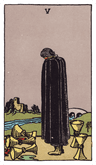
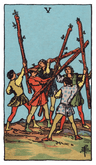
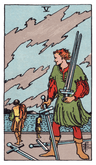
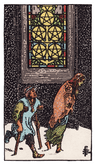
Comparte sus temas
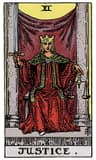
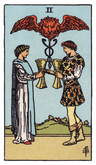
Simbolismo de Templanza
Tradiciones interpretativas
Distintas escuelas del tarot miran Templanza con distintos lentes. Son perspectivas, no contradicciones.
Rider-Waite-Smith
Waite describió Templanza como el trabajo de combinar elementos para crear algo nuevo: el matrimonio alquímico. La figura es un ángel, sugiriendo que el equilibrio es una práctica espiritual, no solo una habilidad práctica. El flujo constante entre las copas sugiere que el equilibrio no es un estado fijo sino una práctica continua.
Thoth
Crowley ubicó Templanza en la posición 14 y la asoció con Sagitario y el proceso alquímico de combinar y reconciliar opuestos. La versión Thoth enfatiza el equilibrio cósmico: la obra de sostener lo divino y lo material, lo eterno y lo temporal, en una relación productiva.
Intuitivo Moderno
Los lectores contemporáneos a menudo enmarcan Templanza como la sabiduría del 'ambos/y' en lugar del 'uno u otro': la capacidad de sostener complejidad, ambigüedad, y contradicción sin necesidad de resolverlos prematuramente. Esta carta se convierte en la madurez psicológica y la integración que surge de aceptar que la vida es más matizada que los binarios.
Paralelo con Campbell
El Camino de Regreso — integración y síntesis
En tu vida
Esta carta aparece después de la pérdida, después de la disolución que representa la Muerte. Has sido abierto. Ahora llega el trabajo lento de la integración, no volver a armarte de la forma antigua, sino incorporar lo que has aprendido, encontrar el ritmo que honra tanto tu vida interior como tus responsabilidades externas, integrar las partes de ti que no encajan naturalmente. El ángel no elige entre agua y tierra, entre espíritu y materia, entre descanso y acción. Sostiene ambos, vierte entre ellos, y hace algo coherente. Esto es lo que Templanza te pide: no moderación en el sentido de pequeñez, sino la obra alquímica de la síntesis.
Palabras clave y temas de Templanza
La carta Templanza está asociada con los siguientes temas y palabras clave, al derecho y en posición invertida: equilibrio, integración, síntesis, encontrar el ritmo, paciencia con el proceso, sostener los opuestos, desequilibrio, exceso, discordia, sin integrar, agotamiento, falso equilibrio. Su correspondencia elemental es Fuego. Astrológicamente se vincula con Sagitario. Su regente planetario es Júpiter.
Da igual si sacaste Templanza en una tirada diaria, semanal o del año por delante: su invitación de fondo es la misma, mirar con honestidad qué refleja esta carta en tu propia vida. Tarot Digest usa Templanza — y las 78 cartas — como espejos para la autoindagación, no para la predicción.
Barajas y libros recomendados
Tanto si estás empezando con el tarot como si llevas años de práctica, estas son las barajas y los libros que más valen tu tiempo.
- 🃏
The Original Rider Waite Smith Tarot — A.E. Waite & Pamela Coleman Smith
The deck that defined modern tarot. First published in 1909, the RWS introduced illustrated pip cards for all 78 positions — a breakthrough that made tarot accessible to everyone. Every major deck since is either an homage or a reaction to it.
- 📖
Seventy-Eight Degrees of Wisdom — Rachel Pollack
The definitive companion to tarot, first published in 1980 and still the best single-volume guide. Pollack reads the cards as a living psychological system — the Major Arcana as a map of consciousness, the Minor as the terrain of daily life.
- 📖
The Creative Tarot — Jessa Crispin
A guide to using tarot as a tool for creative practice rather than divination — written for writers, artists, and makers. Crispin brings a sharp literary sensibility and treats the cards as a language for thinking about creative process.
- 🃏
Modern Witch Tarot Deck — Lisa Sterle
The RWS structure reimagined with diverse, contemporary figures in modern settings. Every symbol from the original is preserved (the Fool still stands at the cliff edge, the High Priestess still flanked by pillars), but the world looks like ours.
Los enlaces de arriba pueden generar una pequeña comisión sin costo para ti — código de afiliado tarotdigest-20. Divulgación