
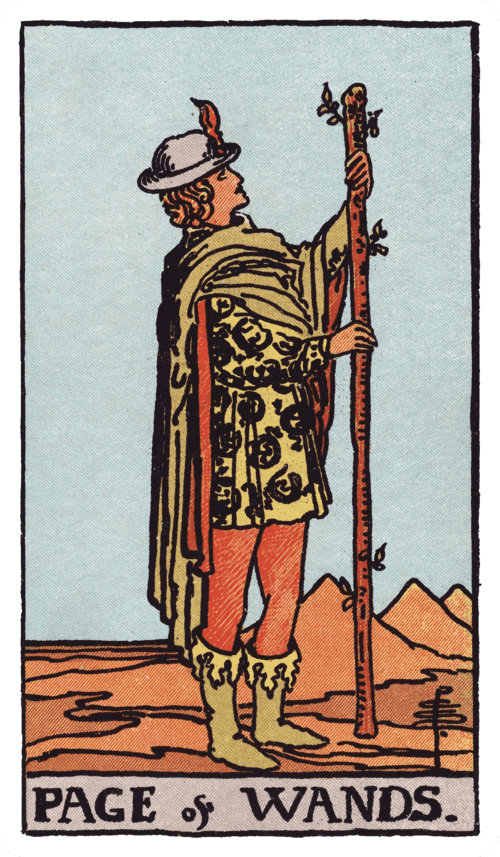
Bastos · Arcanos Menores
Paje de Varas
Entusiasmo juvenil, curiosidad creativa, nueva exploración creativa
También conocida como
Thoth: Princess of Wands — In Crowley's system, the Princess of Wands carries the Page's enthusiastic spark-chasing energy. 'Princess of Wands' in a Thoth resource = this card.
Historical / pre-Waite: Knave of Wands — The older term for the fourth court card in pre-Waite European decks.
Profundiza con Paje de Varas
Los significados de abajo son un punto de partida. Trae lo que de verdad tienes en mente y reflexiona aquí — lo que vuelve es una pregunta para sentarte con ella, nunca un pronóstico.
Reflection Room
Paje de Varas · upright
Write and save if you'd rather sit with it alone. Nothing is sent.
Paje de Varas: significado al derecho
El Paje de Varas trae la energía de la curiosidad creativa pura, la mente del principiante que se acerca a una nueva habilidad o interés con entusiasmo abierto y sin preconcepciones. Podría ser vos, o podría ser una cualidad que estás reclamando. El Paje aún no tiene experiencia, pero esa inexperiencia es su regalo: no han aprendido las reglas lo suficiente como para pensar que algo es imposible. La carta te invita a acercarte a tu trabajo creativo con el entusiasmo desprotegido del Paje y la disposición de aprender.
¿Qué estás aprendiendo o explorando con curiosidad genuina ahora mismo, y cómo se siente esa energía de principiante?
Paje de Varas: significado invertido
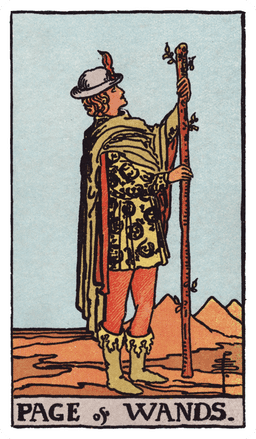
El Paje de Varas invertido a menudo aparece cuando el entusiasmo se ha convertido en impaciencia, cuando la chispa inicial no es suficiente y te estás aburriendo o frustrando porque la habilidad real toma tiempo. A veces esta carta invertida aparece cuando estás saltando de un interés a otro sin dejar que ninguno se profundice. La invitación es examinar si tu dispersión viene de intereses genuinamente cambiantes o si simplemente estás evitando la disciplina que el aprendizaje real requiere.
¿Qué interés creativo te entusiasmaba pero no seguiste adelante, y qué te detuvo?
Paje de Varas en el amor y las relaciones
Al derecho
Estás trayendo energía fresca a una relación o atracción, notando detalles, haciendo preguntas, acercándote a la otra persona sin demasiada armadura. Esta carta te pregunta: ¿te estás permitiendo estar genuinamente curioso sobre quién es, en lugar de filtrar a través de experiencias pasadas o expectativas?
Invertida
La chispa que sentiste puede haberse enfriado en inquietud, o te estás moviendo entre conexiones sin dejar que nada desarrolle textura real. Esta carta te invita a mirar si estás evitando el trabajo más lento y difícil de la intimidad real manteniéndote en la fase emocionante de principiante.
Paje de Varas en el trabajo y la carrera
Al derecho
Estás en modo de aprendiz, asumiendo un nuevo rol, habilidad o proyecto donde aún no conoces la forma de las cosas. La carta te pide que notes cómo se siente trabajar sin el peso de la experiencia: ¿qué se vuelve posible cuando no tienes una reputación que proteger?
Invertida
Podrías estar moverte entre tareas o intereses sin terminar ninguno, o la novedad se ha desvanecido y la rutina se siente como fracaso. Mira qué estás evitando realmente: ¿es la repetición, la dificultad específica, o el hecho de que la competencia real toma más tiempo que lo que la emoción inicial sugería?
Paje de Varas: ¿sí o no?
Se inclina hacia sí, y la pregunta mejor debajo es si estás dispuesto a mantenerte curioso el tiempo suficiente para que algo real crezca, o si necesitas la adrenalina de empezar de nuevo.
Las lecturas de sí o no son el único lugar donde el tarot juega a ser adivino. Respondemos la pregunta y luego te entregamos la mejor pregunta que hay debajo — esa es la parte que vale tu tiempo.
Preguntas para cuando saques Paje de Varas
- ¿Qué abandonaste aprender porque dejó de ser fácil, y qué podrías descubrir si volvieras?
- Cuando te acercas a algo nuevo, ¿qué cambiaría si confiararas en que no saber aún es parte del proceso, no una señal de que lo estás haciendo mal?
- ¿Cuál es la diferencia entre intereses genuinamente cambiantes y la picazón de seguir adelante antes de que las cosas se pongan difíciles?
Cartas cercanas a Paje de Varas
Su vecina en Bastos
Los otros Sota
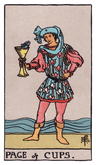
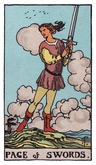
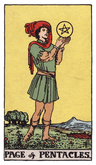
Comparte sus temas
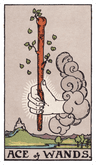
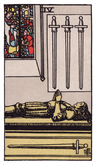
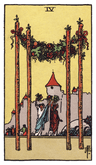
Simbolismo de Paje de Varas
Tradiciones interpretativas
Distintas escuelas del tarot miran Paje de Varas con distintos lentes. Son perspectivas, no contradicciones.
Rider-Waite-Smith
Waite describió al Paje como el viajero y buscador juvenil, alguien que trae mensajes, preguntas y curiosidad fresca a su campo. El Paje a menudo es un mensajero, pero más importante, es alguien para quien el viaje aún es nuevo y lleno de posibilidades.
Thoth
Crowley asoció al Paje con la expresión más juvenil del fuego: curiosidad e entusiasmo sin límites antes de que la experiencia lo haya moderado. Esta es la chispa divina en su forma más inocente y desprotegida.
Intuitivo Moderno
Los lectores contemporáneos a menudo enmarcan al Paje como permiso para ser un principiante nuevamente, para acercarse al aprendizaje y la creatividad con curiosidad genuina en lugar de cinismo. También es una invitación a mentorizar a otros y a recordar cómo se sentía antes de saber lo que ahora sabes.
Palabras clave y temas de Paje de Varas
La carta Paje de Varas está asociada con los siguientes temas y palabras clave, al derecho y en posición invertida: curiosidad creativa, entusiasmo, aprendizaje, mente de principiante, exploración, chispa, impaciencia, distracción, entusiasmo disperso, falta de seguimiento, inquietud. Su correspondencia elemental es Fuego.
Da igual si sacaste Paje de Varas en una tirada diaria, semanal o del año por delante: su invitación de fondo es la misma, mirar con honestidad qué refleja esta carta en tu propia vida. Tarot Digest usa Paje de Varas — y las 78 cartas — como espejos para la autoindagación, no para la predicción.
Barajas y libros recomendados
Tanto si estás empezando con el tarot como si llevas años de práctica, estas son las barajas y los libros que más valen tu tiempo.
- 🃏
The Original Rider Waite Smith Tarot — A.E. Waite & Pamela Coleman Smith
The deck that defined modern tarot. First published in 1909, the RWS introduced illustrated pip cards for all 78 positions — a breakthrough that made tarot accessible to everyone. Every major deck since is either an homage or a reaction to it.
- 📖
Seventy-Eight Degrees of Wisdom — Rachel Pollack
The definitive companion to tarot, first published in 1980 and still the best single-volume guide. Pollack reads the cards as a living psychological system — the Major Arcana as a map of consciousness, the Minor as the terrain of daily life.
- 📖
The Creative Tarot — Jessa Crispin
A guide to using tarot as a tool for creative practice rather than divination — written for writers, artists, and makers. Crispin brings a sharp literary sensibility and treats the cards as a language for thinking about creative process.
- 🃏
Modern Witch Tarot Deck — Lisa Sterle
The RWS structure reimagined with diverse, contemporary figures in modern settings. Every symbol from the original is preserved (the Fool still stands at the cliff edge, the High Priestess still flanked by pillars), but the world looks like ours.
Los enlaces de arriba pueden generar una pequeña comisión sin costo para ti — código de afiliado tarotdigest-20. Divulgación