La mayoría de las prácticas diarias de tarot fracasan igual que una membresía de gimnasio: están diseñadas para la versión de ti que tiene veinte minutos libres y tiene ganas de reflexionar. Esa persona aparece tal vez dos veces a la semana. Una práctica que vale la pena mantener se construye para los otros cinco días, cuando estás cansado y con prisa y prefieres no hacerlo. Haz que la versión más pequeña sea buena, y la versión grande se cuida sola.
La práctica más pequeña que todavía hace algo
Aquí está completa: saca una carta, mírala el tiempo que tarde en beber media taza de café, y escribe una oración. No un párrafo, no una interpretación. Una oración sobre qué te hizo notar la carta. Ese es el piso completo, y el piso es la práctica. Todo lo demás es decoración opcional que añades en los días que tienes ganas.
La oración única hace trabajo real. Saca la carta de tu cabeza y la pone en la página, que es donde un sentimiento vago se convierte en uno específico. "Inquieto" escrito te hace una pregunta de seguimiento que "inquieto" pensado no hace.
Una práctica que mantienes mal vence a una práctica que abandonas bien. Apunta a la versión que seguirías haciendo en tu peor martes, luego deja que los días buenos sean un bonus.
Engánchalo a algo que ya haces
La manera confiable de hacer que un pequeño hábito se pegue es atarlo a uno que ya tienes. Saca la carta mientras hierve la tetera, o en el momento que te sientas en tu escritorio, o antes de que salga el primer mensaje del día. La rutina existente se convierte en el recordatorio, así que la práctica no depende de la fuerza de voluntad o de una alerta en el teléfono que se borra por reflejo. Elige el anclaje una vez, mantenlo fijo durante algunas semanas, y el tiraje de cartas va junto con un hábito que ya está cargando peso.
Saca primero, vive segundo, revisa después
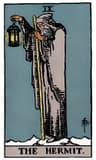
El ritmo útil es sacar la carta por la mañana sin intentar resolverla, luego seguir con tu día, luego echar un vistazo por la noche. La carta de la mañana es una pregunta que llevas, no una respuesta que decodificas. Sacar El Ermitaño no es un pronóstico de soledad, es un empujón para notar dónde en el día quisiste espacio y si lo tomaste. Te das cuenta por la noche, no al amanecer.
Esta es también la respuesta honesta a la objeción del escéptico. La carta no conoce tu día. Te da una lente, y pasas el día viendo si algo viene a enfocar a través de ella. Algunos días nada lo hace, y eso también es información.
Qué hacer cuando la carta parece irrelevante
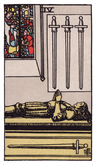
Algunas mañanas sacas Cuatro de Espadas en un día sin descanso, y la falta de concordancia se siente como la práctica fracasando. No es así. Una carta que no encaja está haciendo la pregunta más interesante: la carta de descanso en el día implacable está señalando exactamente lo que el día está perdiendo. Lee la brecha, no solo la concordancia.
Si una carta genuinamente no te da nada, anótalo en tu oración y sigue adelante. "Nada hoy" es una entrada aceptable, y una racha de ellas usualmente significa algo sobre la semana en lugar de las cartas.
Deja que el registro se acumule
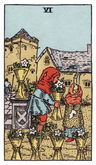
La práctica diaria paga de manera lenta, en una forma que una sola lectura nunca puede. Una entrada es una nota, noventa entradas son un cuadro. Cuando Seis de Copas sigue apareciendo en una temporada que no pensabas que era sobre el pasado, ese patrón solo es visible porque guardaste el pequeño registro. Este es el argumento real para diario sobre ocasional: no es que cualquier carta importe más, sino que la colección empieza a hablar.
Si guardas tus entradas aquí, el diario hace la acumulación por ti, y después de un tiempo la vista de patrones te mostrará cuáles cartas han estado circulando. Más sobre cómo funciona el diario.
Cuando te pierdes un día
Perder días es parte de esto. La práctica no es una racha, y tratarla como tal es cómo la gente se va después de romper una racha de doce días. Piérdete el lunes, saca martes, no saques dos cartas para "ponerte al día." La mañana después de una brecha, saca una carta y escribe tu oración exactamente como si nada hubiera pasado. La capacidad de reanudar sin drama es toda la habilidad. Sacar La Estrella después de un lapso es un buen lugar para empezar de nuevo, y también cualquier otra carta, porque nunca hubo una regla que rompieras.