
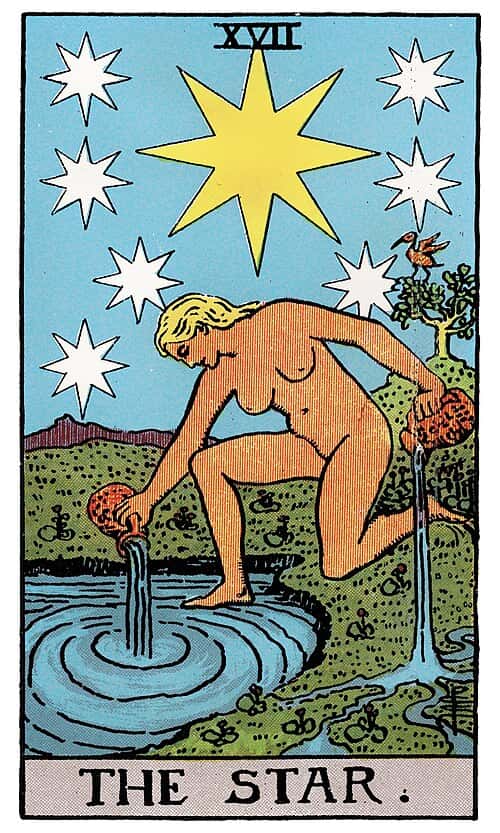
XVII · Arcanos Mayores
La Estrella
Esperanza, inspiración, claridad, sanación, fe renovada
Profundiza con La Estrella
Los significados de abajo son un punto de partida. Trae lo que de verdad tienes en mente y reflexiona aquí — lo que vuelve es una pregunta para sentarte con ella, nunca un pronóstico.
Reflection Room
La Estrella · upright
Write and save if you'd rather sit with it alone. Nothing is sent.
La Estrella: significado al derecho
Esta carta te invita a la quietud después de la lucha. La Estrella representa el regreso tranquilo de la esperanza, no la esperanza de que todo salga perfectamente, sino la confianza más profunda de que hay algo que vale la pena perseguir. Podrías estar percibiendo claridad que emerge, o descubriendo que aún tienes la capacidad para la gentileza a pesar de lo que has atravesado. Esta carta aparece a menudo cuando te han desnudado hasta lo esencial y descubres que esa esencia es suficiente.
Esta carta como espejo: ¿qué pequeñas fuentes de luz o esperanza estás notando ahora, incluso en medio de lo que aún es incierto, y cómo sentiría tendérselas?
La Estrella: significado invertido
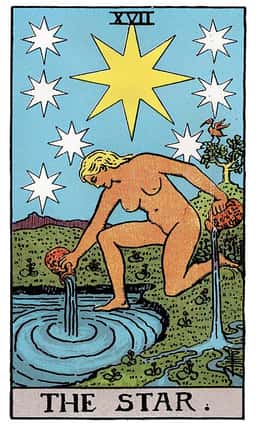
La Estrella invertida puede señalar un momento en el que la luz se siente demasiado lejana, cuando luchas por encontrar lo que aún importa, o cuando la claridad en la que confiabas permanece elusiva. Podrías estar en el espacio liminal donde la vieja esperanza se disolvió pero la nueva esperanza aún no ha llegado completamente. Esta carta invertida te pregunta: ¿qué tomaría para reconectarte con aunque sea una pequeña fuente de significado o renovación?
Esta carta como espejo: ¿dónde has perdido de vista lo que era claro antes, y esa pérdida te está señalando algo que necesita cambiar?
La Estrella en el amor y las relaciones
Al derecho
La Estrella derecha te invita a notar qué ternura o confianza ha sobrevivido en ti, incluso después de dificultad. Si estás en una relación, esto podría ser el momento de dejar que alguien vea esa gentileza, de dejar de estar en guardia y permitirte ser alcanzado. Si no lo estás, la carta te pregunta qué significa ofrecerte a ti mismo esa misma firmeza que podrías dar a otro.
Invertida
Cuando la Estrella está invertida en amor, la pregunta no es si la relación ha terminado, sino si has perdido contacto con lo que hacía que la conexión fuera posible. Podrías estar esperando certeza antes de actuar, o podrías haber dejado de creer que la vulnerabilidad vale el riesgo. ¿Qué pequeño gesto o conversación te permitiría saber si esto es agotamiento o fin?
La Estrella en el trabajo y la carrera
Al derecho
La Estrella sugiere que estás llegando a un punto de claridad sobre qué realmente importa para ti en el trabajo, no la promoción o el título, sino lo que estás construyendo. Podrías estar descubriendo que tienes más resiliencia de la que pensabas, o que una versión desnuda de tu ambición es más honesta que lo que vino antes. Este es un buen momento para actuar sobre lo que has aprendido de ti mismo.
Invertida
La Estrella invertida en el trabajo a menudo significa que el objetivo hacia el que te movías ha perdido su brillo, y aún no has encontrado qué lo reemplaza. Podrías sentirte sin rumbo sin una dirección clara, o podrías estar reconociendo que el camino en el que has estado no se alinea realmente con lo que te importa ahora. Antes de decidir irte o quedarte, siéntate con lo que necesita cambiar para que el trabajo se sienta significativo de nuevo.
La Estrella: ¿sí o no?
Se inclina hacia sí, y la pregunta mejor debajo es si esto es algo que genuinamente quieres, o algo que crees que deberías querer.
Las lecturas de sí o no son el único lugar donde el tarot juega a ser adivino. Respondemos la pregunta y luego te entregamos la mejor pregunta que hay debajo — esa es la parte que vale tu tiempo.
Preguntas para cuando saques La Estrella
- ¿Qué cosa pequeña y constante en tu vida ahora te está pidiendo atención o cuidado?
- ¿Cuándo fue la última vez que te sentiste claro sobre lo que te importaba, y qué ha cambiado desde entonces?
- Si dejaras ir la necesidad de ver el camino completo adelante, ¿qué se vuelve visible en el siguiente paso?
Guías que hablan de La Estrella
Cartas cercanas a La Estrella
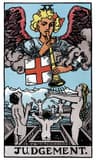
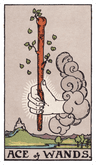
Comparte su número: los Ocho
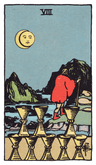
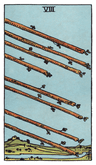
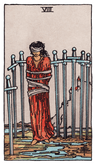
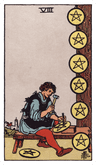
Comparte sus temas
Simbolismo de La Estrella
Tradiciones interpretativas
Distintas escuelas del tarot miran La Estrella con distintos lentes. Son perspectivas, no contradicciones.
Rider-Waite-Smith
Waite enfatizó la Estrella como esperanza fundamentada en recursos internos más que en circunstancias externas. La figura no está ni esperando rescate ni pretendiendo que la prueba no sucedió. Se está reponiendo a sí misma tranquilamente, una visión profundamente humanista de la recuperación.
Thoth
La Estrella de Crowley enfatiza la aspiración y la chispa divina dentro de ti. La carta representa el deseo de unión con el yo superior y la claridad que viene de la alineación con tu verdadera naturaleza. Los ocho rayos representan los ocho caminos del Árbol de la Vida convergiendo.
Intuición Moderna
Los lectores contemporáneos a menudo enmarcan la Estrella como la carta de la esperanza auténtica, no optimismo, sino la confianza más profunda de que la vida es manejable, que el significado está disponible, que tienes la capacidad de continuar. Se trata de reconectarse con lo que genuinamente te importa después de la desilusión.
Paralelo con Campbell
El Camino de Regreso, el retorno de la esperanza
En tu vida
La Estrella aparece después de la parte más dura, cuando el terreno bajo tus pies aún es desconocido pero el cielo se ha despejado. Te pregunta: ¿qué pequeñas y tranquilas fuentes de renovación siguen disponibles para ti? No la esperanza ingenua del comienzo, sino algo más costoso, ganado con dificultad: el tipo de esperanza que sobrevivió a la prueba intacta.
Palabras clave y temas de La Estrella
La carta La Estrella está asociada con los siguientes temas y palabras clave, al derecho y en posición invertida: esperanza, renovación, claridad interior, presencia sanadora, confianza en la vida, inspiración, desesperación, desconexión, pérdida de dirección, nubosidad, duda, fe menguante. Su correspondencia elemental es Aire. Astrológicamente se vincula con Acuario. Su regente planetario es Urano.
Da igual si sacaste La Estrella en una tirada diaria, semanal o del año por delante: su invitación de fondo es la misma, mirar con honestidad qué refleja esta carta en tu propia vida. Tarot Digest usa La Estrella — y las 78 cartas — como espejos para la autoindagación, no para la predicción.
Barajas y libros recomendados
Tanto si estás empezando con el tarot como si llevas años de práctica, estas son las barajas y los libros que más valen tu tiempo.
- 🃏
The Original Rider Waite Smith Tarot — A.E. Waite & Pamela Coleman Smith
The deck that defined modern tarot. First published in 1909, the RWS introduced illustrated pip cards for all 78 positions — a breakthrough that made tarot accessible to everyone. Every major deck since is either an homage or a reaction to it.
- 📖
Seventy-Eight Degrees of Wisdom — Rachel Pollack
The definitive companion to tarot, first published in 1980 and still the best single-volume guide. Pollack reads the cards as a living psychological system — the Major Arcana as a map of consciousness, the Minor as the terrain of daily life.
- 📖
The Creative Tarot — Jessa Crispin
A guide to using tarot as a tool for creative practice rather than divination — written for writers, artists, and makers. Crispin brings a sharp literary sensibility and treats the cards as a language for thinking about creative process.
- 🃏
Modern Witch Tarot Deck — Lisa Sterle
The RWS structure reimagined with diverse, contemporary figures in modern settings. Every symbol from the original is preserved (the Fool still stands at the cliff edge, the High Priestess still flanked by pillars), but the world looks like ours.
Los enlaces de arriba pueden generar una pequeña comisión sin costo para ti — código de afiliado tarotdigest-20. Divulgación