
Espadas · Arcanos Menores
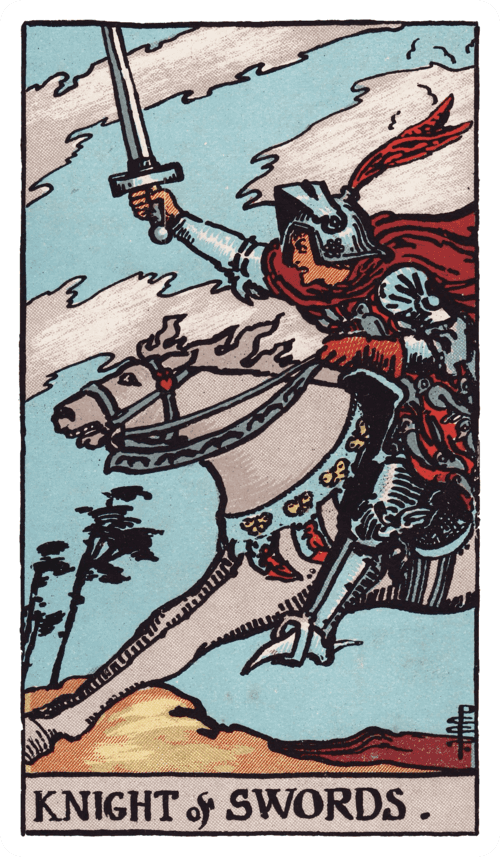
Caballero de Espadas
Impulso enfocado, acción decisiva, avanzar hacia la verdad
También conocida como
Thoth: Prince of Swords — Crowley's Prince of Swords maps to the RWS Knight — brilliant, fierce, fast-moving. 'Prince of Swords' = this card.
Profundiza con Caballero de Espadas
Los significados de abajo son un punto de partida. Trae lo que de verdad tienes en mente y reflexiona aquí — lo que vuelve es una pregunta para sentarte con ella, nunca un pronóstico.
Reflection Room
Caballero de Espadas · upright
Write and save if you'd rather sit with it alone. Nothing is sent.
Caballero de Espadas: significado al derecho
El Caballero de Espadas es la mente en pleno movimiento, comprometida con una dirección y avanzando rápido. La energía de esta carta es decisiva, desenfadada, y a veces sorprendente en su claridad de propósito. Te invita a traer el mismo enfoque y franqueza a algo en tu vida que necesita acción en lugar de más análisis. Cuando aparece el Caballero de Espadas, a menudo es una señal de que el tiempo de deliberación ha pasado y ha llegado el momento para el movimiento.
¿En dónde de tu vida te están pidiendo que actúes con más decisión y menos dudas, y cómo se vería confiar en tu propia claridad lo suficiente como para realmente moverte?
Caballero de Espadas: significado invertido
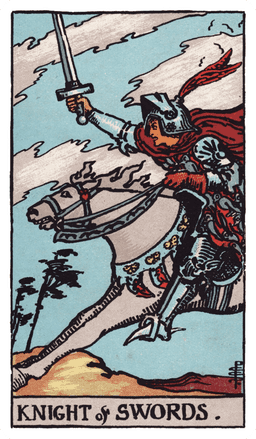
El Caballero de Espadas invertido es la misma energía poderosa sin la sabiduría para dirigirla bien. Esto puede mostrarse como agresión que confunde la fuerza bruta con la fortaleza, argumentos perseguidos para ganar en lugar de para entender, o decisiones tomadas tan rápido que información importante se deja atrás. El Caballero invertido a veces también apunta a una especie de parálisis mental que parece lo opuesto, toda la carga de la mente que avanza, pero atrapada girando en el mismo lugar.
¿Hay un lugar en tu vida en este momento donde te estés moviendo tan rápido, o argumentando tan duramente, que estés perdiendo algo importante? ¿Qué te costaría desacelerar brevemente y mirar?
Caballero de Espadas en el amor y las relaciones
Al derecho
Esta carta te pregunta si estás listo para actuar sobre algo en lo que has estado pensando: una conversación que necesita suceder, un límite que necesita establecerse, o una elección que ha estado esperando tu compromiso. El Caballero de Espadas es directo y desenfadado, te invita a traer esa misma claridad a tu relación, incluso si la claridad es incómoda.
Invertida
Podrías estar atrapado en un patrón de argumentación por sí misma, o moviéndote tan rápido a través de decisiones que realmente no estés escuchando a la otra persona. El Caballero invertido también puede mostrarse como acción decisiva tomada sin suficiente información, un ultimátum lanzado antes de que el asunto real haya sido nombrado.
Caballero de Espadas en el trabajo y la carrera
Al derecho
Algo está listo para la acción: una propuesta que hacer, una conversación difícil que tener con un colega o gerente, un proyecto al que comprometerse completamente en lugar de titubear. Esta carta sugiere que la fase de análisis ha terminado y tu claridad sobre lo que necesita suceder vale la pena confiar.
Invertida
Podrías estar confundiendo velocidad con fortaleza, empujando un plan adelante sin verificar si tienes todas las piezas, o ganando un argumento con un compañero de trabajo mientras dañas la relación laboral. A veces esta carta también aparece cuando sientes la necesidad urgente de moverte pero sigues dudando de ti mismo, girando en lugar de avanzar.
Caballero de Espadas: ¿sí o no?
Se inclina hacia sí, y la pregunta mejor debajo es si realmente estás listo para seguir con la franqueza que esta situación te exigirá.
Las lecturas de sí o no son el único lugar donde el tarot juega a ser adivino. Respondemos la pregunta y luego te entregamos la mejor pregunta que hay debajo — esa es la parte que vale tu tiempo.
Preguntas para cuando saques Caballero de Espadas
- ¿Qué ya has decidido sobre esta situación, aunque no lo hayas dicho en voz alta?
- ¿Dónde estás confundiendo la fuerza bruta con la honestidad, o la velocidad con el buen juicio?
- ¿Qué te costaría avanzar sin esperar a la claridad perfecta?
Guías que hablan de Caballero de Espadas
Cartas cercanas a Caballero de Espadas
Su vecina en Espadas
Los otros Caballero
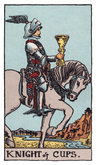
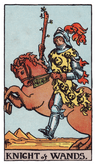
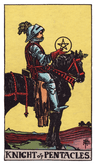
Comparte sus temas
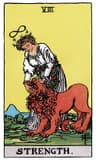
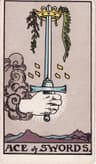
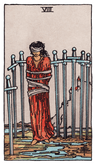
Simbolismo de Caballero de Espadas
Tradiciones interpretativas
Distintas escuelas del tarot miran Caballero de Espadas con distintos lentes. Son perspectivas, no contradicciones.
Rider-Waite-Smith
Waite asoció el Caballero de Espadas con la valentía y la habilidad, pero también con la capacidad para la dominación y la destrucción sin control. Vio esta figura como representativa del aspecto marcial puro de la mente, la capacidad de cortar a través de la oposición, que requiere la sabiduría de la Reina y el Rey para ser verdaderamente útil en lugar de meramente poderosa.
Thoth
El Príncipe de Espadas de Crowley es quizá la carta de la corte más psicológicamente compleja de su sistema: brillante, feroz, y fundamentalmente inestable. La tradición Thoth ve esta carta como representativa de una mente tan afilada que se corre el riesgo de cortarse a sí misma, una inteligencia que carece del anclaje del sentimiento o la paciencia del cuerpo.
Intuitivo Moderno
Los lectores contemporáneos a menudo trabajan con el Caballero de Espadas como una carta acerca de la relación entre pensar y actuar. La invitación es notar cuándo estás usando más energía mental para prepararte para hacer algo que lo que realmente tomaría hacerlo, y reconocer cuándo la carga del Caballero es exactamente lo que el momento necesita.
Palabras clave y temas de Caballero de Espadas
La carta Caballero de Espadas está asociada con los siguientes temas y palabras clave, al derecho y en posición invertida: acción decisiva, claridad mental, impulso enfocado, coraje, comunicación directa, imprudencia, agresión, impulsividad, perder el punto, conflicto por sí mismo. Su correspondencia elemental es Aire. Astrológicamente se vincula con Acuario.
Da igual si sacaste Caballero de Espadas en una tirada diaria, semanal o del año por delante: su invitación de fondo es la misma, mirar con honestidad qué refleja esta carta en tu propia vida. Tarot Digest usa Caballero de Espadas — y las 78 cartas — como espejos para la autoindagación, no para la predicción.
Barajas y libros recomendados
Tanto si estás empezando con el tarot como si llevas años de práctica, estas son las barajas y los libros que más valen tu tiempo.
- 🃏
The Original Rider Waite Smith Tarot — A.E. Waite & Pamela Coleman Smith
The deck that defined modern tarot. First published in 1909, the RWS introduced illustrated pip cards for all 78 positions — a breakthrough that made tarot accessible to everyone. Every major deck since is either an homage or a reaction to it.
- 📖
Seventy-Eight Degrees of Wisdom — Rachel Pollack
The definitive companion to tarot, first published in 1980 and still the best single-volume guide. Pollack reads the cards as a living psychological system — the Major Arcana as a map of consciousness, the Minor as the terrain of daily life.
- 📖
The Creative Tarot — Jessa Crispin
A guide to using tarot as a tool for creative practice rather than divination — written for writers, artists, and makers. Crispin brings a sharp literary sensibility and treats the cards as a language for thinking about creative process.
- 🃏
Modern Witch Tarot Deck — Lisa Sterle
The RWS structure reimagined with diverse, contemporary figures in modern settings. Every symbol from the original is preserved (the Fool still stands at the cliff edge, the High Priestess still flanked by pillars), but the world looks like ours.
Los enlaces de arriba pueden generar una pequeña comisión sin costo para ti — código de afiliado tarotdigest-20. Divulgación